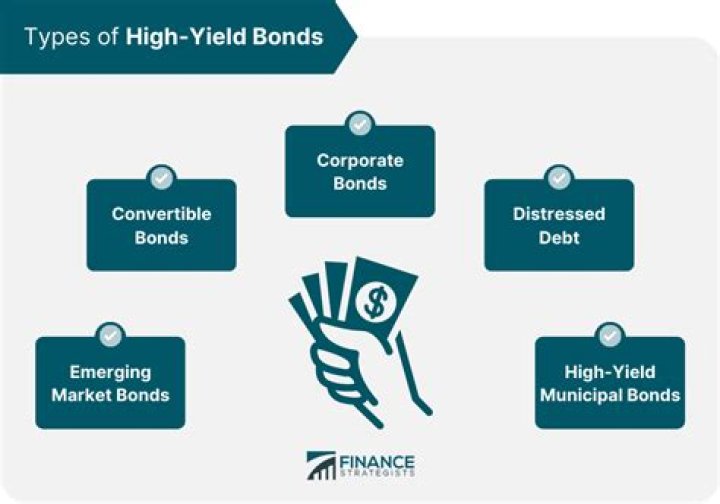
High-yield bonds (also called junk bonds) are bonds that pay higher interest rates because they have lower credit ratings than investment-grade bonds. Wha...
the Dutch East India Company The first modern IPO occurred in March 1602 when the Dutch East India Company offered shares of the company to the public to ...
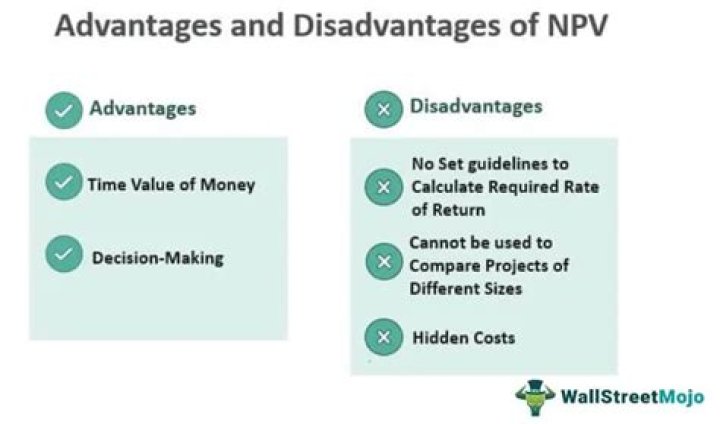
When the NPV gets used with the profitability index, then the ratios tend to score short-term gains better than long-term benefits. This disadvantage mean...
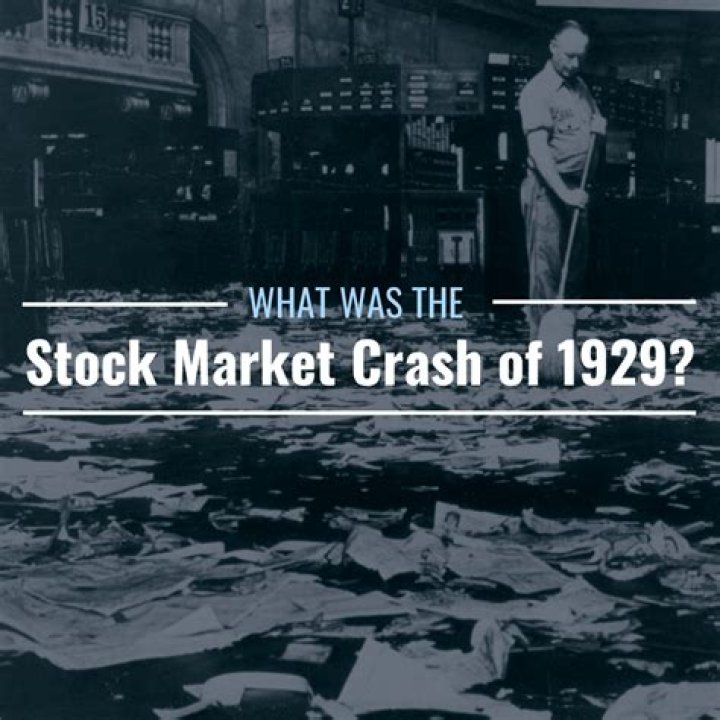
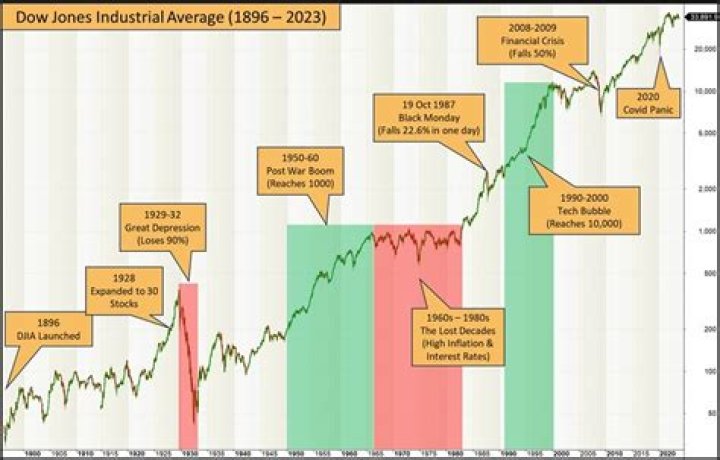
The key to surviving them is being prepared. Stock market crashes are an unfortunate fact of life on Wall Street, with eight major market crashes in the p...
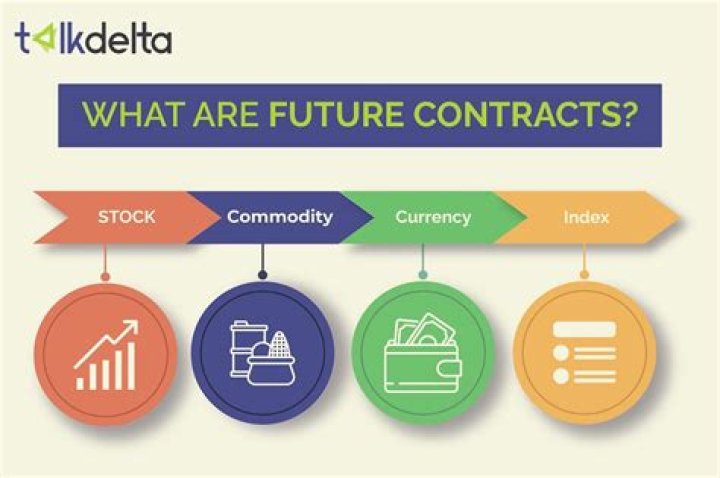
Futures contracts are financial derivatives that oblige the buyer to purchase some underlying asset (or the seller to sell that asset) at a predetermined ...
The Dow Jones Industrial Average (DJIA) is a widely-watched benchmark index in the U.S. for blue-chip stocks. The DJIA is a price-weighted index that trac...
How Are SPACs Used? SPACs typically use the funds they’ve raised to acquire an existing, but privately held, company. They then merge with that target, wh...
In a bull market, the ideal thing for an investor to do is to take advantage of rising prices by buying stocks early in the trend (if possible) and then s...
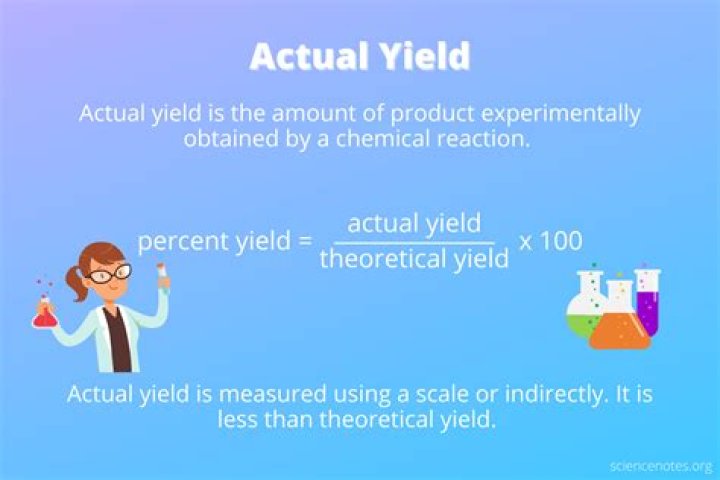
The amount of product actually produced is called the actual yield. When you divide actual yield by theoretical yield you get a decimal percentage known a...
Cement is a commodity as vital to fast-growing economies as oil or steel, but like all major commodities, it is known mostly as just that: cement. Market ...